MEDIA ENVIRONMENT Looking at Statistics Literacy levels in Sri Lanka are considerably high, with 92.3 percent of the population being literate. There is a slightly higher literacy rate among men (94.8 percent) than in women (90.0 percent).
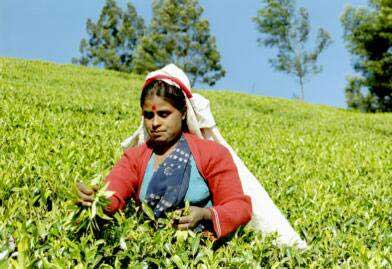
In addition to reading print media, literacy is also important for understanding and working with the Internet. As of 2002, there were 1,882 Internet hosts in Sri Lanka, with only 200,000 users, which means that only one percent of the population had access to the Internet. Although the Internet is crucial to study and work in the United States, it seems that most Sri Lankans do not have access and rely on other forms of media to get their information. With 22 percent of the population below the poverty line and with unemployment affecting 8.4 percent of the population, it follows why people are not finding access to the Internet; it is too expensive for the kinds of lifestyles people in Sri Lanka live. According to the CIA, in 1977, Sri Lanka became export-orientated within its major sectors of trade -- food processing (tea), textiles and apparel -- to boost revenues. Most people in Sri Lanka work in either the textile, agriculture or fishing industries, and may not have the computer skills necessary to make Internet access a large part of Sri Lanka's culture. In the wake of the Tamil rebellions and the tsunami, telecommunications may take the back seat to more traditional and accessible forms of communication - like newspapers. The government will hopefully spend most of its foreign aid on rebuilding the lives of its citizens and promoting projects that help bring in revenue, which may leave out the costly advancement of telecommunications at this time. There are 881,400 telephone lines in use in Sri Lanka, and 931,600 mobile phone users, which averages out to four percent of the population having access to telephones (both mobile and main line). Most of Sri Lanka is rural, tropical forest area, which would make it hard to put up telephone wires and keep access running through bad, seasonal weather. The CIA describes Sri Lanka's domestic service as "very inadequate," although the CIA says that some improvement will come with the privatization of the national telephone company and the encouragement of private investment. For complete statistical information, click here.
|