














Indonesia A Diverse Culture Discovering Media & Technology
Get to Know Indonesia Analyses
Analysis 1:
Indonesia’s Distinctive Media, Arts and Cultural Environments Analysis 2: Indonesia’s Media Power, Rifts, and Freedom Analysis 3: Indonesia’s Media Compared Analysis 4:
Indonesia Communicating to the World
Fast Facts
Other stats
Agriculture and industrial products • Agriculture - products: rubber and similar products, palm oil, poultry, beef, forest products, shrimp, cocoa, coffee, medicinal herbs, essential oil, fish and its similar products, and spices
• Industries: petroleum and natural gas, textiles, automotive, electrical appliances, apparel, footwear, mining, cement, medical instruments and appliances, handicrafts, chemical fertilizers, plywood, rubber, processed food, jewelry, and tourism Health issues/challenges
• HIV/AIDS - deaths: 35,300 (8th in the world)
• Major infectious diseases: (degree of risk: very high)
food or waterborne diseases: bacterial diarrhea, hepatitis A, and typhoid fever vectorborne diseases: dengue fever and malaria U.N. (Human development index ranking)
• 2015 HDI ranking: 110 (Considered medium human development) External debt
• $316 billion (2015)
• $293.4 billion (2014) Average household income • Gross National Income per Capita: 9,788 Environmental issues
• Deforestation
• Water Pollution from industrial wastes, sewage
• Air pollution in urban areas
• Smoke and haze from forest fires Natural hazards
• Occasional floods
• Severe droughts • Tsunamis
• Earthquakes
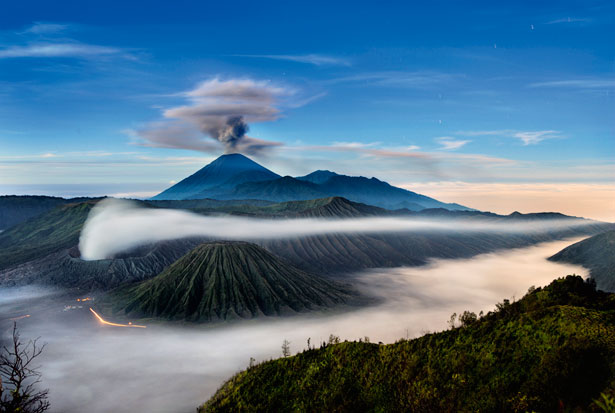
• Volcanos – Indonesia contains the most volcanos of any country in the world (about 76 active)
• Forest fires
contact sources